Healing from Spiritual Abuse: When Faith Was Used to Control You
If someone used God's name to silence you, shame you, or keep you in line, that wasn't faith. That was control. And the confusion it leaves behind is one of the deepest wounds a person can carry.
Spiritual abuse doesn't always look dramatic. Sometimes it's a pastor who punishes doubt. A leader who demands loyalty and calls it submission. A community that treats your questions as rebellion. Over time, you learn to stop trusting yourself. You confuse obedience to a person with obedience to God. And when the harm finally becomes undeniable, the guilt still tells you that walking away makes you the problem.
I write this as someone who loves his faith and has also been wounded by people within it. This isn't about deconstruction. It's not about leaving. It's about telling the truth about what happened to you so you can actually heal.
What spiritual abuse actually looks like
Spiritual abuse happens when someone in a position of religious authority uses that authority to manipulate, control, or harm you. It can show up in many ways:
- Using Scripture to justify controlling behaviour, shutting down disagreement, or demanding unquestioning obedience
- Shaming you for having doubts, emotions, or boundaries
- Isolating you from people outside the church or community
- Making you feel that leaving the group means leaving God
- Weaponizing forgiveness to protect abusers and silence victims
- Creating an environment where the leader's word is treated as equivalent to God's word
This isn't a fringe problem. It happens in churches, mosques, synagogues, and spiritual communities of every kind. It happens in large ministries and small Bible study groups. And the people who experience it are often the ones who cared the most, believed the deepest, and gave the most of themselves.
Why it cuts so deep
Church hurt is different from other kinds of relational harm because it gets tangled up with your understanding of God. When a leader who claims to speak for God mistreats you, it doesn't just damage your trust in that person. It damages your trust in God, in yourself, and in the very framework you used to make sense of the world.
Many people who've experienced religious coercion carry a specific kind of shame. They feel guilty for being angry. They wonder if the abuse was actually discipline. They question whether their pain is valid or if they're just being “too sensitive.” That internal war is exhausting. And it keeps people stuck for years.
For men in particular, there's an added layer. In many faith communities, men are told to lead, to be strong, to not question authority. If you were harmed by a male leader you looked up to, admitting that harm can feel like admitting weakness. So you bury it. You perform strength. And the wound festers underneath.
Separating the harm from the faith
One of the most important things I do as a faith-informed counsellor is help people separate what was done to them from what they believe. Toxic leadership is not the same as God. A manipulative pastor is not the same as the gospel. A community that silenced you is not the same as the faith that first gave you hope.
This distinction matters because without it, healing feels impossible. If you believe that God was behind the abuse, then healing means abandoning your entire belief system. But if you can see that broken people misused something sacred, then you can grieve the harm without losing the faith that still matters to you.
That said, this is not about rushing back to church or pretending it didn't happen. Some people need significant time away from religious community. Some need to rebuild their faith from the ground up. Both are valid. The goal isn't to get you back in a pew. The goal is to help you reclaim your relationship with God on your own terms.
How healing begins
Religious trauma therapy starts with creating a space where you can say the things you were never allowed to say. Where anger is welcome. Where doubt is not a sin. Where your story is believed.
In my work as a spiritual abuse therapist in Toronto, I walk with clients through several things:
- Naming what happened clearly, without minimizing or spiritualizing it
- Processing the grief of losing a community, a leader, or a version of faith you once trusted
- Untangling the voice of God from the voice of the person who hurt you
- Rebuilding your ability to trust yourself, your instincts, and your own relationship with the sacred
- Learning to set boundaries with religious communities and people who may still be in your life
This isn't quick work. It takes time, honesty, and a therapist who understands both the weight of faith and the reality of abuse. Church hurt counselling requires someone who won't dismiss your faith or dismiss your pain.
You're not alone in this
If you're reading this and something in you recognizes your own story, I want you to know: you are not crazy. You are not too sensitive. You are not sinning by acknowledging what was done to you. The fact that you still care about your faith after what you've been through says something about your character, not your weakness.
Healing is possible. Not by pretending the harm didn't happen, and not by throwing everything away. But by doing the honest, courageous work of separating what was broken from what is still true.
If you're looking for faith-informed counselling that takes both your beliefs and your wounds seriously, I'd be honoured to walk with you. A free 15-minute consultation is a good place to start. No pressure. Just a real conversation.
Sources & Further Reading
- The Subtle Power of Spiritual Abuse: Recognizing and Escaping Spiritual Manipulation and False Spiritual Authority Within the Church. David Johnson and Jeff VanVonderen, 1991.
- Leaving the Fold: A Guide for Former Fundamentalists and Others Leaving Their Religion. Marlene Winell, 1993.
- When Religion Hurts You: Healing from Religious Trauma and the Impact of High-Control Religion. Laura E. Anderson, 2023.
- Religious Trauma Syndrome: Understanding and Recovery. Reclamation Collective.
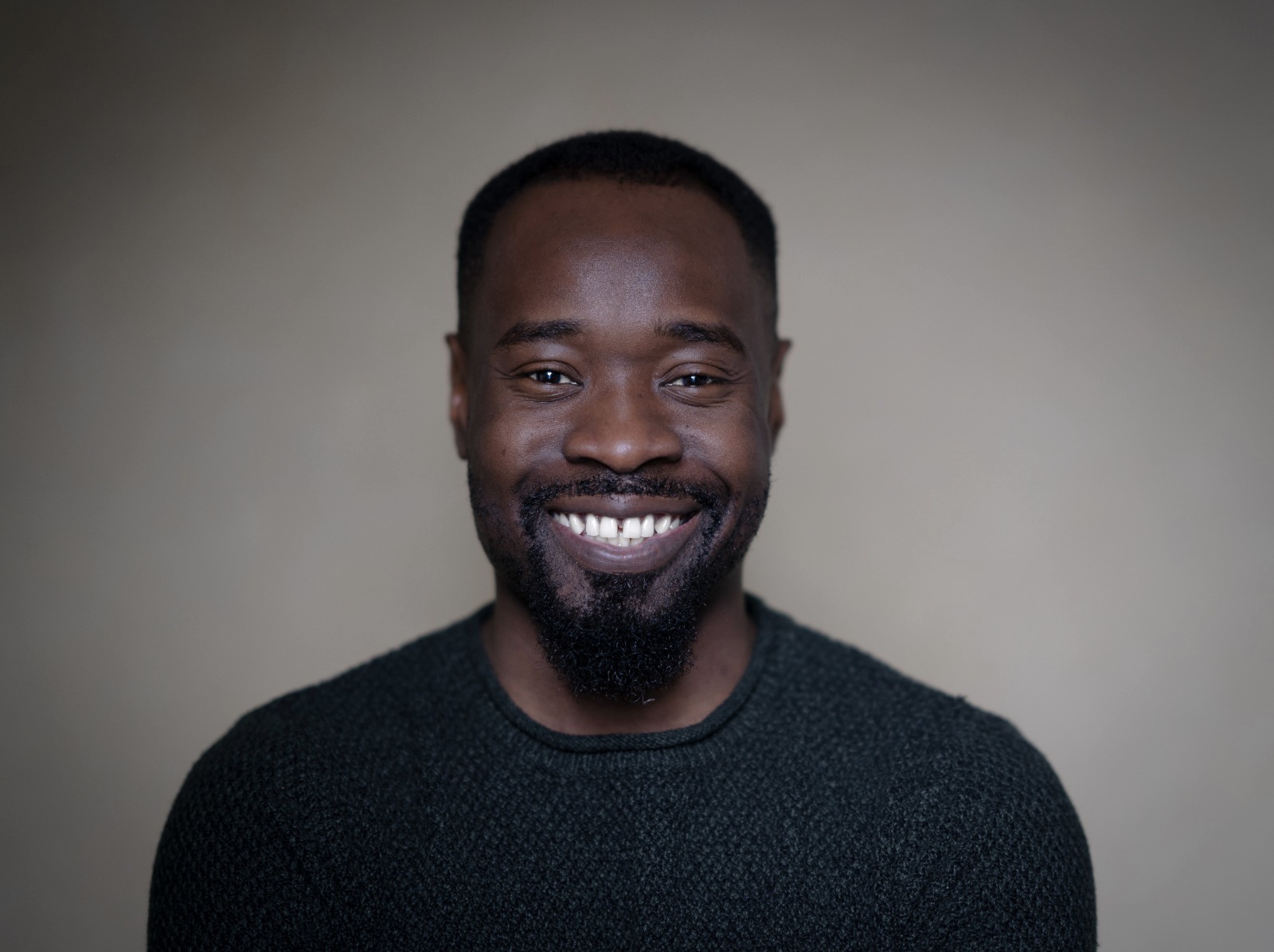
Joseph Addy
MDiv, RP (Qualifying), CSAT · Registered Psychotherapist (Qualifying)