Before I became a Certified Sex Addiction Therapist, I thought I understood addiction. I had training in general psychotherapy, experience working with substance use, and a genuine desire to help. But when it came to compulsive sexual behaviour, I was missing critical pieces, and I didn't fully realize it until CSAT training showed me what I didn't know.
What I was doing before
Like most therapists, I was trained to listen well, build rapport, and help clients explore their patterns. And that matters. But when someone came to me struggling with compulsive pornography use or serial infidelity, I was essentially trying to treat a specialized condition with general tools. It was like trying to do surgery with a Swiss Army knife. You can make it work, sort of, but it's not the right instrument.
I didn't fully understand the shame cycle. I didn't know how to structure a disclosure process that wouldn't destroy the couple. I wasn't equipped to recognize the difference between high sexual desire and genuine compulsivity. And I didn't have a framework for understanding how deeply childhood attachment wounds and trauma feed into these patterns.
I was well-intentioned. But good intentions aren't enough when someone's marriage, career, and sense of self are on the line.
What IITAP training actually involves
The CSAT certification through IITAP (the International Institute for Trauma and Addiction Professionals) is not a weekend workshop. It's an intensive, multi-phase training process that includes over 120 hours of specialized education, supervised clinical work, and a rigorous examination process.
The training covers the neuroscience of compulsive behaviour, structured assessment protocols, the shame-addiction cycle, therapeutic disclosure and partner support, betrayal trauma in partners, relapse prevention planning, and working with couples in the aftermath of sexual acting out. It's deep, demanding work, and it fundamentally changed how I see this clinical issue.
The shift: understanding shame at a different level
The biggest thing that changed was how I understand shame. Before CSAT training, I knew shame was a factor in addiction. After training, I understood that shame is often the engine of the entire cycle. Not a side effect. The core mechanism.
Most men I work with didn't develop compulsive sexual behaviour because they're morally deficient. They developed it because, somewhere along the way, they learned that their needs, their emotions, or their very selves were fundamentally flawed. The sexual behaviour became a way to manage that intolerable feeling. And every time the behaviour happened, the shame deepened, which drove the need for relief, which drove the behaviour. A perfect, vicious loop.
Understanding this at a clinical level changed everything about how I sit with clients. I stopped seeing the behaviour as the problem to fix and started seeing it as the symptom to decode.
The neuroscience piece
CSAT training also gave me a much stronger understanding of what's happening in the brain during compulsive sexual behaviour. This isn't just a “bad habit.” The reward pathways in the brain get hijacked in ways that mirror substance addiction. Dopamine surges, tolerance development, withdrawal symptoms, the loss of prefrontal cortex control in moments of high arousal or emotional distress. It's neurological, not just psychological.
Being able to explain this to clients matters enormously. When a man understands that his brain has been rewired by years of compulsive behaviour, and that rewiring it is possible but requires specific, structured work, it removes some of the crushing self-blame. It turns “I'm a terrible person” into “my brain learned a pattern that I can unlearn with the right help.”
Working with couples post-disclosure
One area where CSAT training was particularly transformative was in learning how to work with couples after sexual acting out comes to light. Before training, I would have stumbled through this process. The stakes are incredibly high. Therapeutic disclosure done poorly can cause more trauma than the original behaviour.
CSAT training gave me a structured protocol for managing disclosure: how to prepare the client, how to support the partner, how to manage the timing, and how to hold the relationship through the aftermath. It also taught me to recognize and treat betrayal trauma in partners, which is not a secondary concern. It's a primary clinical issue that requires its own specialized attention.
Why this matters for you
I'm sharing this not to list credentials, but because I think it matters that you know what you're getting when you work with a CSAT. This isn't general therapy applied to a sexual issue. It's a specialized clinical framework built specifically for this problem. The protocols exist because they work, and because the alternative, well-meaning but unspecialized treatment, often doesn't.
If you're looking for help with compulsive sexual behaviour, you deserve someone who has done the work to understand this issue at depth. Not someone who is figuring it out as they go.
I did the training because I saw a gap in my practice and in the field. Too many men were falling through the cracks, getting generalized treatment for a specialized problem, and not getting better. That wasn't acceptable to me. So I got the training, did the work, and committed to being the kind of therapist these clients actually need.
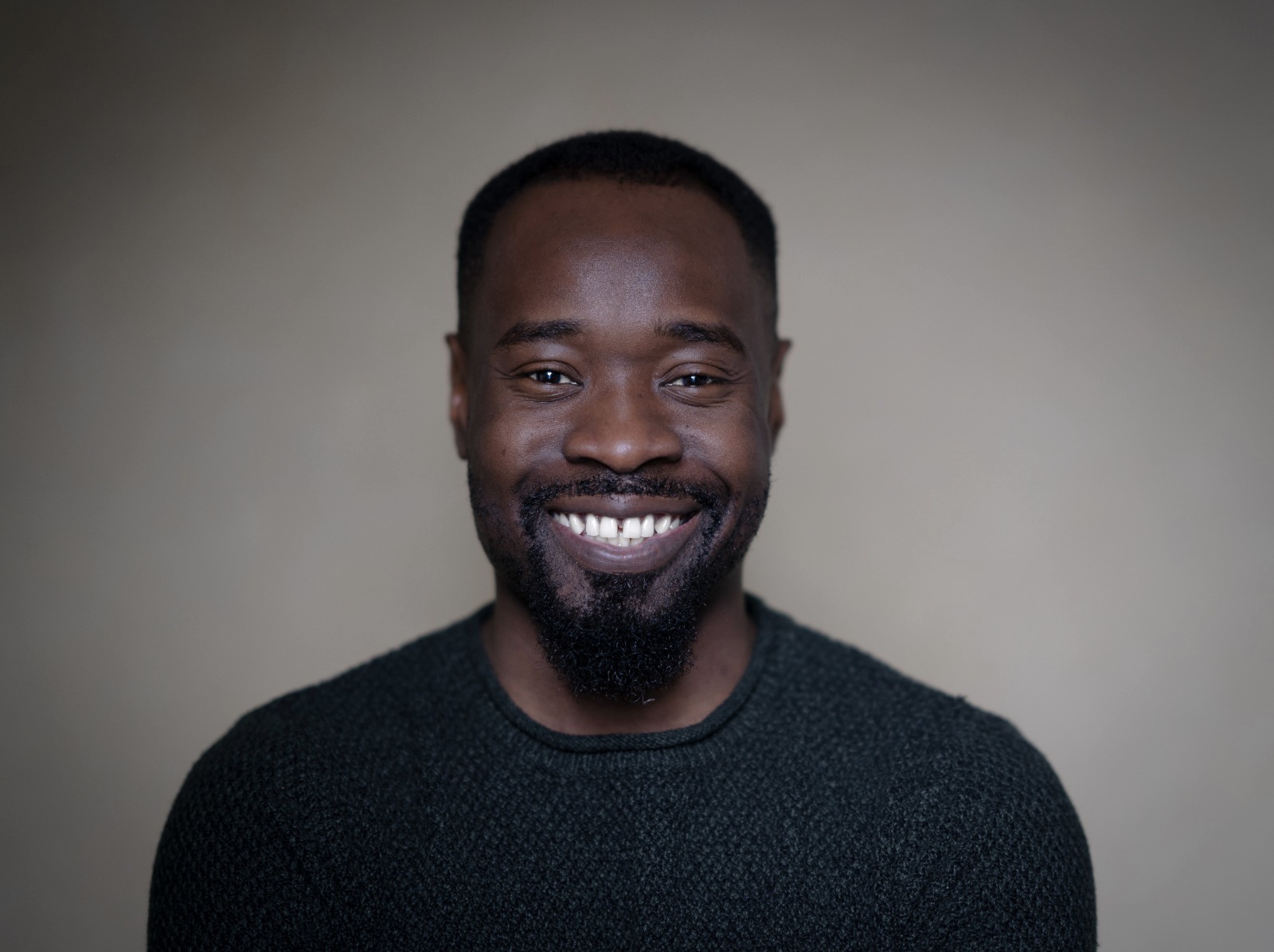
Joseph Addy
MDiv, RP (Qualifying), CSAT · Registered Psychotherapist (Qualifying)