Trauma and the 12 Steps: Why Recovery Needs Both
The 12-step model has helped millions of people get sober and stay sober. That's not up for debate. But if you've been working the steps and still feel stuck, there's a reason for that. And it's not a lack of willpower.
For many men in recovery, the missing piece is trauma. Not trauma as a buzzword, but as a lived reality that shapes how your brain responds to stress, connection, and relapse triggers. The traditional 12-step framework wasn't built to address this. It was built in the 1930s, long before we understood how trauma rewires the nervous system. That doesn't make it broken. It makes it incomplete.
Jamie Marich's book Trauma and the 12 Stepsmakes this case clearly. She argues that recovery programs can do better when they account for the trauma that often drives addiction in the first place. In my own work with men in sex addiction recovery in Toronto, I've seen this play out again and again.
Why the steps alone aren't always enough
The 12 steps ask you to surrender, take a moral inventory, make amends. These are powerful actions. But for a man carrying unresolved trauma, surrendering can feel like being unsafe all over again. Taking inventory can flood you with shame that has no bottom. Making amends can reopen wounds that were never properly treated.
This isn't a flaw in the person. It's a gap in the approach. When your nervous system is stuck in survival mode, willpower and spiritual surrender can only take you so far. The body keeps the score, as Bessel van der Kolk puts it, and recovery needs to account for that.
I've worked with men who were doing everything right on paper. Going to meetings. Working with a sponsor. Staying accountable. And they were still relapsing. Not because they weren't committed, but because the underlying trauma was never addressed. Their recovery had a foundation, but it was built on unsteady ground.
What trauma-informed recovery actually looks like
Trauma-informed recovery doesn't throw out the 12 steps. It strengthens them. It adds a layer of understanding about why certain steps feel impossible for certain people, and it provides tools to work through those blocks instead of powering through them.
In a CSAT recovery group, for example, we don't just talk about behavior patterns. We look at what's underneath them. What was happening in your life when the compulsive behavior started? What were you trying to numb, escape, or control? For most men, the answer traces back to experiences they haven't fully processed.
This is where trauma focused therapy becomes valuable. Processing old memories so they no longer carry the same emotional charge changes what recovery feels like. When you combine that with the structure and accountability of a recovery program, something shifts. The steps start to land differently. Surrender feels less like danger and more like relief. Inventory becomes insight instead of shame.
The power of doing this work with other men
One of the things that makes group recovery so effective is that you're not doing it alone. But for trauma survivors, group settings can also be triggering. That's why the structure of the group matters enormously.
In a men's recovery group in Toronto, the goal is to create a space where honesty is possible without it becoming overwhelming. There's structure. There are boundaries. And there's the experience of being seen by other men who understand what you're carrying because they're carrying it too.
For many of the men I work with, this is the first time they've been honest in a room full of other men. Not performing strength. Not managing impressions. Just telling the truth about where they are. That alone is healing. And when you pair it with trauma-informed care, the results go deeper and last longer.
Recovery isn't one-size-fits-all
The biggest takeaway from Marich's work, and from my own clinical experience, is that recovery needs to meet people where they are. A man who experienced childhood abuse needs something different from a man whose addiction developed in response to work stress. Both deserve recovery. Both deserve a path that actually accounts for their story.
Sex addiction recovery in Toronto is evolving. More clinicians are recognizing that you can't treat compulsive sexual behavior without addressing the trauma beneath it. More men are finding their way into spaces that honor both the structure of the 12 steps and the complexity of their inner lives.
If this resonates with you
You don't have to choose between the 12 steps and trauma work. The most effective recovery integrates both. If you've been doing the work and still feel like something is missing, that instinct is worth paying attention to.
A free 15-minute consultation is a simple way to explore whether trauma-informed recovery could be the next step for you. No pressure. No judgment. Just an honest conversation about where you are and what might help.
Sources & Further Reading
- Trauma and the 12 Steps: An Inclusive Guide to Enhancing Recovery. Jamie Marich, North Atlantic Books, 2020.
- The Body Keeps the Score: Brain, Mind, and Body in the Healing of Trauma. Bessel van der Kolk, Penguin Books, 2014.
- Certified Sex Addiction Therapist (CSAT) Framework. International Institute for Trauma and Addiction Professionals (IITAP).
- TIP 57: Trauma-Informed Care in Behavioral Health Services. Substance Abuse and Mental Health Services Administration (SAMHSA), 2014.
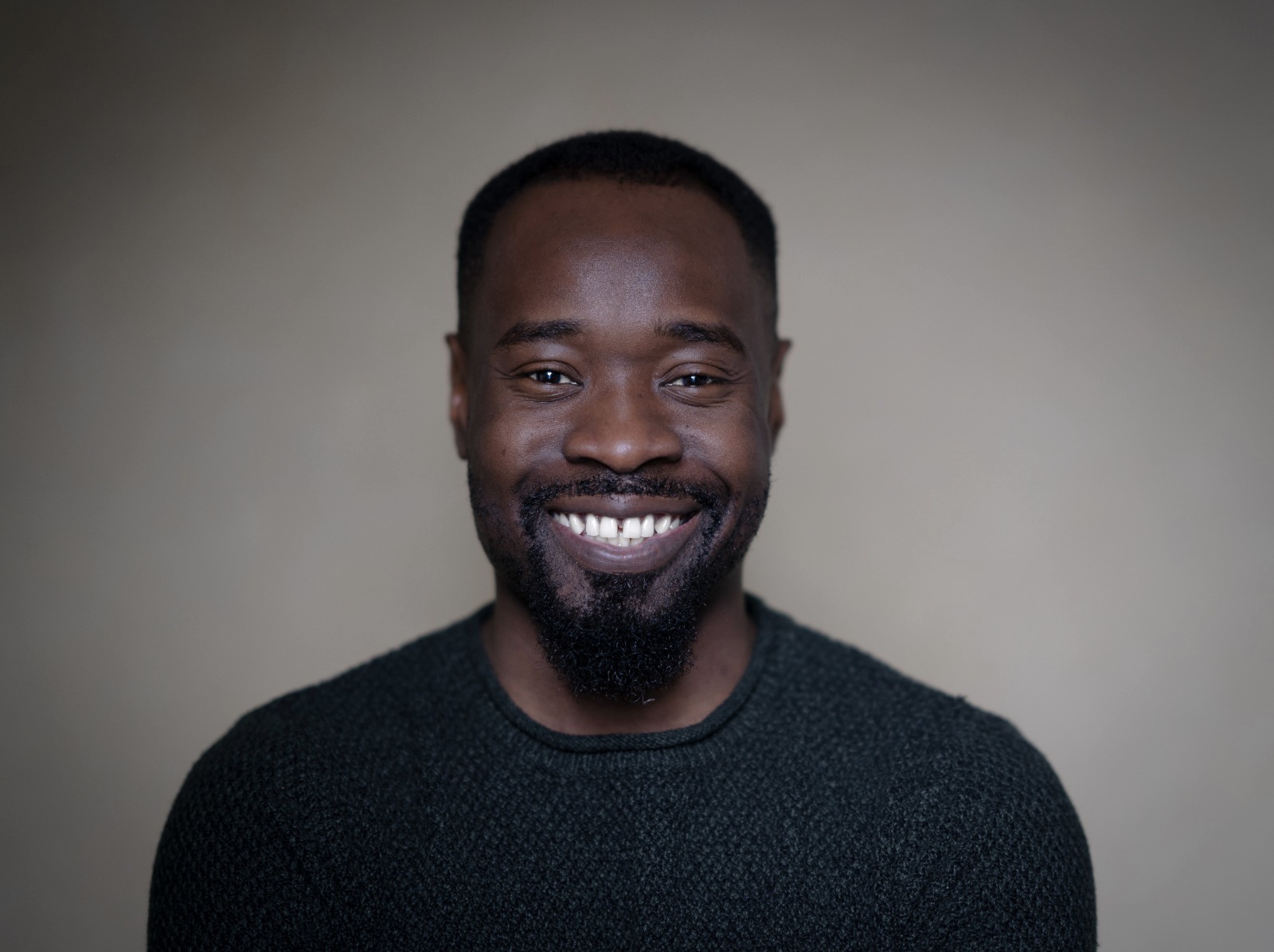
Joseph Addy
MDiv, RP (Qualifying), CSAT · Registered Psychotherapist (Qualifying)